You know French grammar. You know plenty of vocabulary. But the moment two French people start talking to each other… you’re completely lost.
Sound familiar?
You’re not alone.
In fact, it’s one of the biggest frustrations French learners face.
You’ve spent months, maybe even years, learning French.
You can read articles. You understand your teacher. You know the grammar rules and you’ve built a solid vocabulary.
That’s already a huge achievement. BRAVO à toi !
But then you arrive in France or you watch a French TV show without subtitles, or you hear two coworkers chatting over coffee. Suddenly, it feels like you’re listening to a completely different language.
Imagine you’re at a dinner party in Paris.
Everyone is laughing, telling stories, interrupting each other. You catch a few familiar words…but not enough to understand what’s actually happening.
So you smile.
You laugh when everyone else laughs. You nod and hope nobody asks you a question.
Or maybe you’ve had this experience with French movies. With subtitles, you follow the story just fine.
Turn them off?
You barely understand one sentence out of three.
The problem isn’t your French. The problem is that you’ve learned classroom French, while native speakers use everyday French.
And those are two very different things.
This is what French people really sound like.
Instead of saying:
« Je ne sais pas »
They say:
« Chépa »
Instead of saying:
« Ne t’inquiète pas »
They say:
« T’inquiète »
You’ll also hear things like:
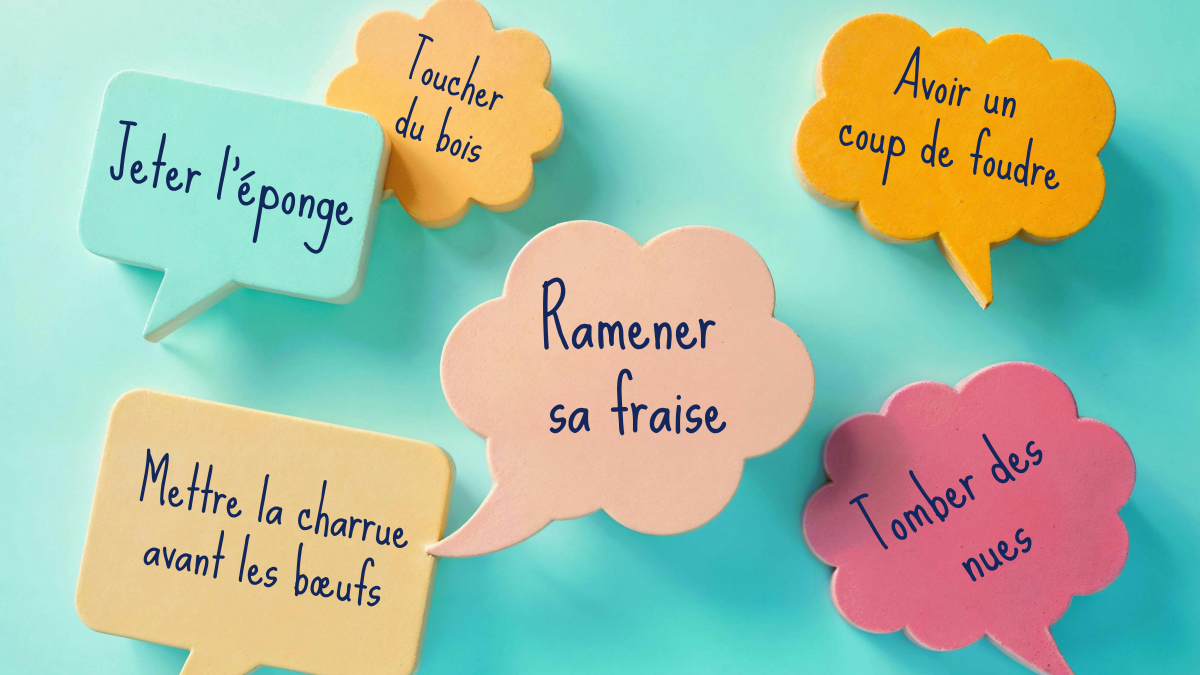
• « C’est relou » (“That’s so annoying.”)
• « Ça marche » (“Sounds good.”)
• « Il m’a posé un lapin » (“He stood me up.”)
Everyday French is full of:
✅ slang
✅ idiomatic expressions
✅ spoken contractions
That’s what makes authentic conversations so difficult to follow, even for learners with a solid level of French.
💡 Here’s the biggest myth.
“Slang is only for teenagers.”
NOT TRUE.
French people of all ages use informal expressions every single day.
With friends. With family. With coworkers.
Some people use more slang than others, of course.
But everyday expressions and spoken contractions aren’t some secret version of French.
They’re simply… normal French. The French you’ll hear everywhere.
Let me ask you something.
Not a list of random funny expressions or slang words.
I mean a real course that explains:
• the slang French people genuinely use
• the expressions you’ll hear all the time
• the spoken shortcuts that make French sound so fast
Probably not.
And that’s exactly why listening feels so hard.
You can study grammar for years.
You can memorize thousands of vocabulary words.
But if nobody teaches you how French people actually speak, you’ll still find yourself smiling politely while wondering what everyone just said.
And it really bothers me that this keeps you from fully enjoying your trip to France, understanding French TV shows, chatting with your French colleagues during coffee breaks, or building real connections with French people.
My advise 👉
There’s good news.
You don’t have to try to speak exactly like a native.
You don’t need to fill every sentence with slang. You don’t need to imitate every contraction.
But you do need to recognize them.
Because understanding authentic French changes everything.
You’ll enjoy movies instead of constantly reading subtitles.
You’ll follow conversations instead of pretending.
You’ll feel comfortable traveling in France.
You’ll connect more naturally with French speakers.
And that’s when French finally starts feeling like a living language, not just a subject you study.
In short :
You may understand French well in your lessons, but much less when French people talk to each other.
Why?
Because everyday French is full of slang, idiomatic expressions, and spoken contractions that textbooks don't always teach.
You don't need to speak exactly like French people. But you do need to understand authentic, everyday French if you want to follow conversations, make the most of your time in France, and build real connections with people.